
After Donald Trump began his second term in office, many assumed his approval ratings would rise, driven by longtime supporters who have backed him for nearly ten years. Instead, the latest numbers have caught many by surprise.
Since returning to the White House, Trump’s approval data has been released publicly, revealing notable shifts in public opinion. Several recent polls suggest that attitudes toward his leadership have changed in unexpected ways.
Regardless of whether voters supported him or not, the findings show that many Americans now view his performance differently than they anticipated before he took office.
A survey by the Pew Research Center found that only 34 percent of Americans said they were extremely or very confident in Trump’s leadership abilities as president.
The study questioned 8,512 U.S. adults from across the political spectrum between January 20 and January 26, evaluating six core traits considered essential for a president.
Results indicate that confidence has declined across all six categories compared to last year—most notably among Republicans.
At present, Trump’s overall approval rating stands at 37 percent, down from 40 percent in the fall of the previous year.
When asked to compare his actual performance with their expectations, half of respondents (50 percent) said he performed worse than anticipated, while only 21 percent believed he did better.
Support for most or all of Trump’s policies has also fallen, dropping from 35 percent last year to 27 percent now—a shift attributed entirely to Republican respondents.

The survey further revealed that 51 percent of those polled said they were not very confident or not confident at all in his leadership. Just 14 percent described themselves as somewhat confident. Concerns extended to fitness for office as well, with 52 percent uncertain about his mental capacity and 50 percent unsure about his physical ability to carry out presidential duties.
Confidence in Trump’s understanding of how government should function also remained low. Only 25 percent said they were extremely or very confident that he understands U.S. democracy, and the same proportion believed he chooses capable advisers.
Overall, a significant number of Republicans surveyed appear to have reassessed Trump’s competence during his second term.
Early in that term, 55 percent of Republicans and Republican-leaning independents expressed confidence in his ethical conduct in office. However, a separate AP-NORC poll released this month found that 61 percent disapproved of his approach to immigration.
Another survey, conducted by The New York Times and Siena University and published on January 22, reported that 49 percent of respondents believed the country was worse off with Trump as president.
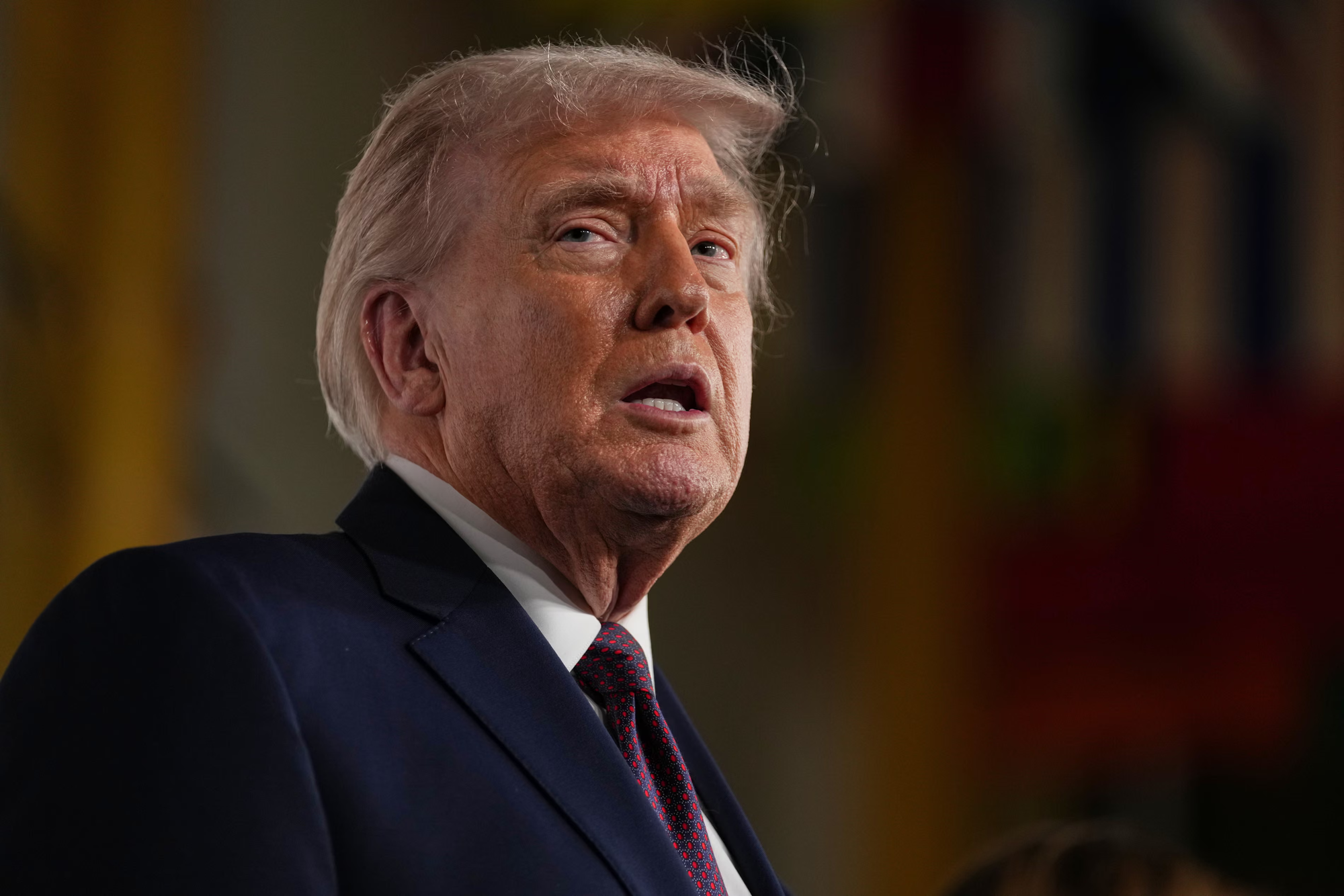
Trump reacted angrily to these findings, calling them illegiti:mate. He stated that “fake and fraudulent polling should almost be considered a criminal act.”
He went on to accuse major media outlets of intentionally releasing misleading polls during the 2020 election, claiming they were designed to influence voters. Trump asserted that he won by a landslide, including the popular vote, all swing states, and the Electoral College, while carrying thousands of counties nationwide.
His criticism continued as he targeted outlets such as The New York Times, ABC, NBC, CBS, CNN, and MSNBC, alleging their polls were inaccurate and bore little resemblance to actual election outcomes. He added that even polls from Fox News and The Wall Street Journal had been consistently poor over the years, insisting that action must be taken against what he described as dishonest polling practices.