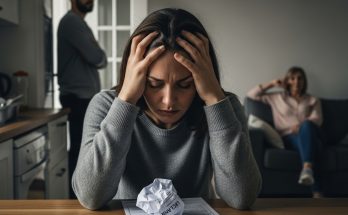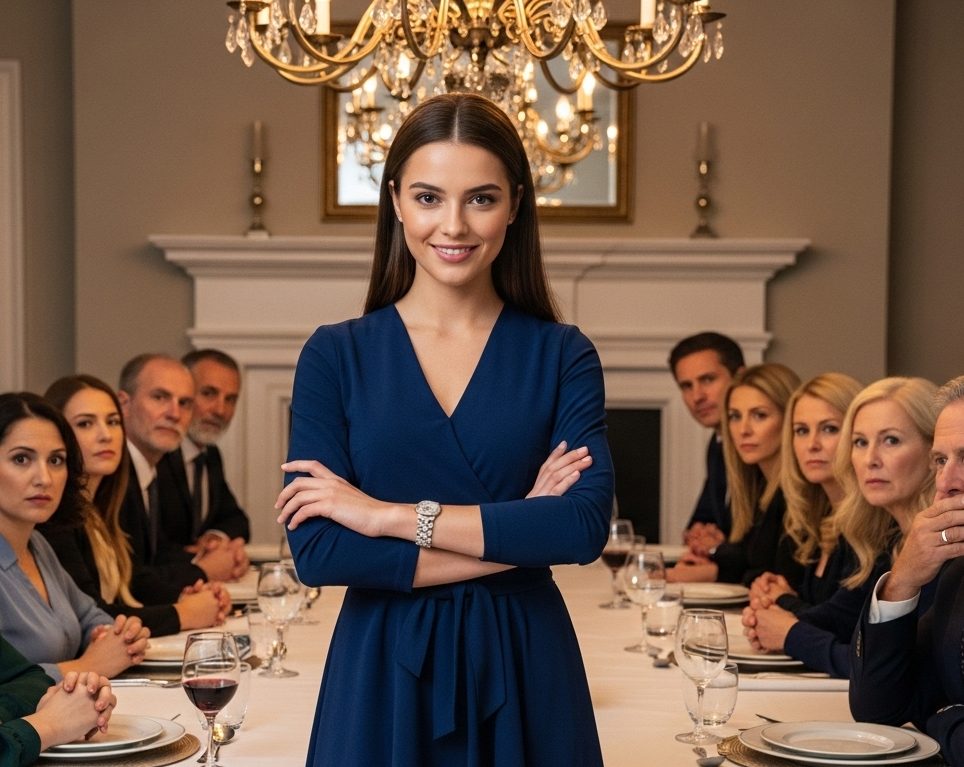
My brothers, Liam and Josh — two and five years older — openly made me feel like an outsider. I quickly learned that being the adopted kid wasn’t something cherished. I heard it in their taunts all the time: “You don’t belong here.” “You’re not even blood.” “You’re just a burden.” It didn’t stop with them — cousins Emma, Chloe, Noah, Ryan, Ava, and Blake joined in the mockery too. The teasing wasn’t playful; it was sharp, calculated, and constant.
Adults around me barely saw it. Aunt Deborah ignored me like I was furniture. Uncle Frank avoided eye contact. Even neighbors whispered, branding me as “the charity case.”
The only person who treated me like a real child was Grandpa Walter. He told me stories about old summers, showed me how to garden, and taught me to fish. When cousins cornered me at gatherings, he stood with me, always protective, always warm.
But everything changed on the day I turned 18. My parents died in a sudden car crash. The funeral was bleak. While everyone expected tears, I stood stone‑still, trying to keep myself from crumbling. Neither brother reached for my hand. No one seemed to care that I was hurting.
Soon after, Aunt Deborah and Uncle Frank became my guardians — and life got worse. I was invisible unless a chore needed doing. I was burdened with laundry, dishes, bathrooms, and a silence that screamed louder than any insult. I shrank into myself, learning to disappear just to survive.
Grandpa Walter still checked on me, but age was catching up with him. His protection could only extend so far.
Then one afternoon my phone lit up with “Unknown Number.” It was an attorney, Mr. Reyes. He told me something I never expected: my Aunt Margot — my biological father’s sister — had been searching for me, and she left me something in her will. Something big.
— Three million dollars.
I flew to meet him the next week and received the full inheritance: Margot’s coastal house, her savings, and a letter. Her words pierced my lifelong doubt: she never forgot me, she fought for me, and she wanted me to know I was chosen, not discarded.
That night, I realized: I didn’t owe Liam, Josh, Deborah, Frank, or any of the cousins a second thought. I left a note saying, “I found where I belong,” and I took Grandpa Walter with me.
We made a new life in Margot’s weathered blue cottage, planting roots I’d never known. Grandpa taught me his cooking tricks; I discovered I loved feeding people. Before long, we opened a little coffee shop by the shore called Second Chance — a place built on warmth, buttered bread, and the courage to move forward.
My cousins reached out later — texts filled with awkward praise and half‑apologies. I blocked some, ignored others. When Liam called to apologize, I asked him only one thing: “Are you happy?” My answer back was simple: I’m learning to be.
One quiet afternoon outside the cafe, Grandpa gave me another letter — from my adoptive mother, written before she died, filled with hope and love for me. I realized then that their intentions had been solid, even if protection failed. Grandpa squeezed my hand and reminded me that I did the rest — I survived, I grew, and I found my own place in the world.
I never went back to that old house. Not because I hated them — but because I finally stopped waiting to be chosen.