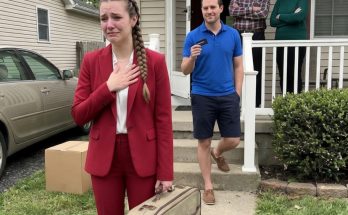
When my dad passed away, I thought the only thing he left me was a rusty key in a velvet box. But when my cousin offered me $10,000 for it, I realized that key meant a lot more than rust and metal — and someone in my family knew exactly what it opened.
I’d never had much — no spouse, no savings, just a tiny rented apartment and an architecture diploma I stopped using when Dad got sick. I became his caregiver: hospital runs, late nights, and lonely early mornings. I didn’t regret it. But I also didn’t expect anything in return — at least not material.
At the reading of the will, my cousins traded bragging rights — the lake house, the workshop, the classic Cadillac — while I waited quietly. Then the lawyer slid my inheritance across the table: a tiny velvet box with a rusty key. No explanation, no note. Just a key.
My cousin Daniel tried to comfort me, saying Dad wasn’t himself at the end. But then he made the offer: “$10,000 for the key.” I hesitated — why would he care? Something felt… off.
That night, I couldn’t sleep. The key was heavy in my pocket — not just metal, but mystery. So I sent a family group chat message: “Dinner at my place. For Dad. One last toast.” Everyone came — wine, laughter, chatter. No one mentioned Dad, only inheritance. Except me. I had a plan.
Before dinner, I placed the key in the hallway where everyone would see it. Daniel glanced at it more than once. When I said I wasn’t selling, everyone laughed. They thought it was just a sentimental joke. But that key wasn’t just sentimental to me.
After everyone fell asleep, I realized — the key was gone. My heart sank. I stepped outside, spotted someone in a hoodie — and chased them to an old industrial part of town. There, behind a warehouse wall, they tapped a sequence on the bricks, and a hidden door clicked open.
But it wasn’t Daniel — it was Uncle Lewis. He stood strong and intimidating in the dim light. “You shouldn’t have followed me,” he said. Inside, he claimed what he thought was his: a thick leather folder full of my dad’s plans. Plans that were supposed to make them a fortune.
He said my father betrayed them — that Dad walked away from a big deal that would’ve “set them for life.” But Dad had refused, saying the project would have destroyed the city’s foundations. Suddenly, everything clicked: this key wasn’t just sentimental — it was a key to something Dad protected.
Just then Daniel appeared and, surprisingly, handed me the real folder containing Dad’s designs. He admitted he didn’t know what was inside when he made his offer — but once he saw me on the move, he decided to help. We sealed the folder, locked it up, and put the key in a bank vault.
Months later, I found an investor who shared Dad’s vision. We built what Dad always dreamed — without harming a single historic building. Dad’s legacy became a purpose, not just a rusty key.
And the inheritance? It was more than metal. It was a future.